
Bookkeeping isn’t just crunching numbers. Many folks think it’s a mundane task, but it’s actually the backbone of any successful business. One common misconception is that bookkeeping is solely for tax time. In reality, it’s an ongoing process that provides financial clarity and aids in strategic decision-making.
Small business owners often juggle multiple responsibilities, and bookkeeping can easily fall by the wayside. The challenge usually begins with not knowing the ins and outs of financial statements, leading to inaccurate data and decision paralysis. Another hurdle is keeping up with cash flow, which can get tangled into a web of invoices, receipts, and expenses if not managed properly.
Accurate bookkeeping opens doors to insights about profitability, cash flow patterns, and potential areas for growth. It’s your compass in the vast business ocean. Sloppy books can sink your ship faster than you can say ‘audit’. It’s essential to get a grip on the basics to anchor your financial journey.
Don’t fret if terms like ‘debits’ or ‘credits’ make your head spin. Familiarizing yourself with key concepts like balance sheets, income statements, and cash flow reports is a must. These aren’t just fancy terms; they’re tools to wield for your business’s success. Knowing your way around them offers you the advantage of spotting opportunities or potential pitfalls in advance.
Streamlining Bookkeeping Processes with Technology
The digital world’s got your back when it comes to modernizing bookkeeping. With a plethora of software tools out there, even the most tech-averse can find something that clicks. These platforms simplify data entry and automate recurring transactions, reducing the margin for human error.
Lighten the load by embracing automation. Less manual work means fewer errors and more time focusing on strategy rather than slogging through numbers. Automated systems do the heavy lifting, like reconciling bank statements or tracking expenses in real-time.
Remote work is here to stay, and cloud-based bookkeeping solutions let you access financial data anytime, anywhere. They offer not just flexibility but also enhanced security features. With your data in the cloud, you’re safeguarding your business’s financial history and staying adaptable to change.
Look at small businesses that have harnessed technology to enhance efficiency and accuracy in their bookkeeping processes. Their stories highlight the transformative power of the right tools and inspire confidence in businesses skeptical about going digital. Swim through case studies that showcase real-world applications and benefits.
Effective Strategies for Managing Bookkeeping Workflows
Getting buried in bookkeeping tasks is easy, especially when everything seems top priority. Managing this can feel like wrangling a dozen stray cats, but creating a solid plan is half the battle won. Prioritizing tasks based on urgency and importance helps keep things manageable.
Adopting a consistent schedule keeps your bookkeeping tasks from piling up, making the process less overwhelming and more methodical. Whether you handle it monthly or weekly, sticking to a routine ensures that your financial records are always up-to-date, shifting the focus from task overload to steady maintenance.
Accuracy in records isn’t a mere checkbox, it’s the lifeline of sound financial health. Developing habits like regular audits and checks to catch discrepancies early can save headaches down the road. It’s about refining processes so that human errors become a rarity.
Consistency is king, or in this case, the secret sauce to rock-solid bookkeeping practices. Templates and checklists can serve as your trusty sidekicks, keeping your records uniform and your operations smooth. They might seem basic, but these tools are surprisingly effective in maintaining order and precision.
Building a Reliable Bookkeeping Team
Finding the right talent is crucial when assembling your bookkeeping team. Look for those who possess a good eye for detail and a knack for numbers. These qualities are the bedrock of a trustworthy bookkeeping team.
Training isn’t just for onboarding—it’s an ongoing journey. Empower your team by investing in continuous learning. This keeps them in the loop with ever-evolving financial regulations and software updates, ensuring your business adapts to changes seamlessly.
Leverage collaborative tools to enhance communication and efficiency within your team. Tools like shared dashboards or financial project management apps can break down silos and foster transparency. They bring everyone onto the same page.
Outsourcing can be a viable option for businesses without resources to maintain an in-house team. While this approach can offer expertise and cost savings, weighing the pros and cons is important. Evaluate factors like data security and the level of personalized service your business needs before choosing your path.
Proactive Solutions for Emerging Bookkeeping Challenges
Staying ahead of bookkeeping troubles often means anticipating issues before they become major headaches. This requires a proactive mindset, where you’re constantly on the lookout for potential roadblocks and how to bypass them.
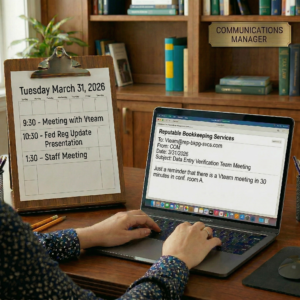
Developing personal habits that prioritize organization and prompt attention to detail can greatly improve bookkeeping practices. Simple changes, like setting aside a regular ‘finance day’ each week, make a big difference in keeping everything in check.
Financial regulations often shift with time, leaving businesses scrambling to comply. Keeping your team updated ensures compliance and avoids penalties. This can be achieved through specialized training sessions and subscribing to industry updates.
Transparency and open communication should be at the core of your bookkeeping strategy. Encourage your team to share insights and flag issues quickly. This creates a culture that values integrity and teamwork, leading to more accurate and efficient bookkeeping processes.