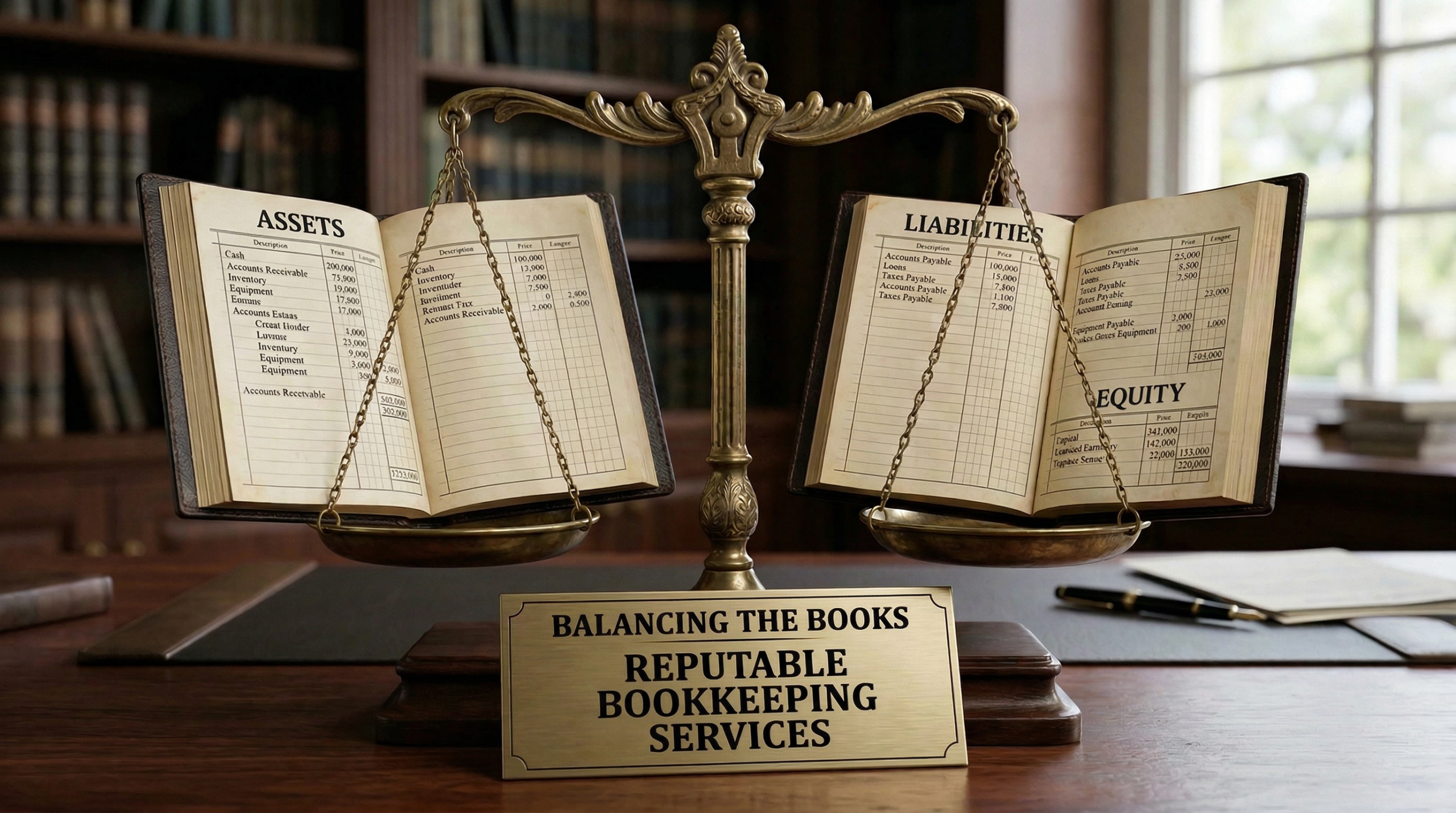
Look, navigating the world of finance can seem like a wild maze, filled with numbers and jargon. That’s where a Chart of Accounts (COA) comes in, serving as your compass and roadmap. It’s the backbone of any accounting system, organizing all those numbers into neat categories, so they actually make sense.
Think of the COA as the master list of all the places your money hangs out and moves around. It’s what accountants use to keep detailed records of all the financial glory that keeps a business running smoothly. It’s necessary for organizing the chaos into a meaningful picture that shows exactly what’s what in your financial world.
Without a well-structured COA, financial reporting can become a daunting task. Picture trying to find your way out of a forest without a map. It can lead to errors and just wrong calls that could shake your business to its core. This map essentially translates into accurate financial reports, which are absolute gold to any business decision-making process.
What’s really neat about a COA is how it breaks down finances into manageable chunks. Each piece paints a different part of your business story: from assets to expenses, every entry tells something unique about your financial journey. This isn’t just for the number-crunchers and accountants; it’s vital for anyone at the helm of a business.
So, while financial reporting might seem like a chore, it’s your business’s voice, saying exactly what’s up in fiscal terms. And the chart of accounts? It’s the language that voice speaks, loud and clear.
Key Components of a Chart of Accounts
Diving straight into it, the whole point of a Chart of Accounts (COA) is to organize accounts in a way that brings clarity and order to your finances. It handles all the fine details, setting up a kind of financial anatomy where every number lives in its own spot, making tracking and managing finances a breeze.
Picture the COA as a well-designed filing system. Each drawer is labeled: Assets, Liabilities, Equity, Revenues, and Expenses, and within those drawers? Files named with specific account titles and unique numbers. This structure makes it super easy to quickly grab that vital info when it’s needed.
For anyone new to setting this up, sorting accounts by functions and roles they play in your business is a solid starting point. You’ve got the usual suspects like bank accounts, payroll, and sales. Label them clearly, and assign numbers based on what makes sense for your business size and complexity. This isn’t just an exercise in organization— it’s all about setting your business up for successful reporting.
Now, why’s this hierarchy stuff so important? Well, a well-organized COA allows for scalable growth. Whether you’re running a solo gig or heading up a massive enterprise, having a clear path for adding new categories or making changes keeps everything tidy and clear. It’s all about minimizing headaches and streaming through your financial processes.
Just a little word of advice: simplicity is king. Keep it straightforward to avoid confusion, because let’s be real, nobody’s got time for convoluted accounts when managing a business. By sticking to a logical order and keeping it clear, your books and financial reports seamlessly align, and everyone from the accountant to the CEO stays on the same page.
Five Basic Components of a Chart of Accounts
Alright, setting up your Chart of Accounts (COA) revolves around these five main players: Assets, Liabilities, Equity, Revenues, and Expenses. Each account category has its own role in showing the bigger financial picture. Let’s break it down, plain and simple. 
Assets are all about what the business owns. We’re talking about cash, inventory, equipment, and buildings. Anything that brings value or can be converted into cash falls under this section. Think of it as the stuff that keeps your operations humming.
Liabilities are, well, the flip side. These are the debts and obligations your business owes. From bank loans to supplier debts, liabilities represent claims against your business’s assets. Picture it like this: it’s the money you’ve got to settle up down the line.
Next up, Equity. This is basically the owner’s share in the company. It’s what’s left when you subtract liabilities from assets. Equity tells you what’s yours after everyone else gets their cut.
Revenues are your business’s bread and butter. They capture the income earned from sales and services. It’s about all the cash flowing in from doing what your business does best.
Then, expenses. These account for just about every cost involved in running your operation. Salaries, rent, utilities—these little guys are the behind-the-scenes heroes that enable businesses to operate day to day.
Each of these categories needs your attention when setting up a COA. They not only inform financial reports but also help you track performance and make smart decisions. Get these foundational elements right, and you’re well on your way to financial clarity.
What is Included in a Chart of Accounts?
A Chart of Accounts (COA) isn’t just a random list of financial jargon. It’s a well-thought-out directory that helps in tracking every financial move the business makes. When you peek into a COA, expect to find a well-defined classification of accounts that takes everything into consideration — assets to expenses and everything in between.
Starting from each account, it’s categorized neatly into parent and child accounts, making it easier to drill down for detailed records whenever the need arises. These classifications ensure every transaction is correctly logged to reflect accurate financial activity.
A good COA includes account names, descriptions, numbers, and maybe even a placeholder for comments. Why bother with this level of detail? Because having precise classifications and sub-classifications creates a robust audit trail. It’s like having a detailed breadcrumb path, showing exactly how you reached your current financial position.
Examples of a comprehensive COA encompass current and fixed assets, long-term debts, sales, and operating expenses. Each of these elements is crafted with accuracy to keep everything transparent. Having these sorted properly means accountants aren’t left scratching their heads when piecing together the company’s financial past.
Precision matters. Whether you’re setting up business software financial systems or keeping a tidy spreadsheet, making sure each account is distinct and understandable simplifies financial tracking. This level of detail is indispensable for audits, compliance checks, or even just understanding where your business stands financially.
QuickBooks and the Five Main Account Types
QuickBooks has become a go-to tool for many businesses looking to keep their books in order and simplify their accounting processes. It’s real handy for not just setting up a Chart of Accounts (COA) but also managing daily financial operations with ease.
The five main account types in QuickBooks are a good fit with the basic COA structure we talked about earlier. You’ve got Assets, Liabilities, Equity, Income, and Expenses. Each type digs into a specific part of your finances, giving you a clear view of where everything stands at any given time.
Assets and Liabilities in QuickBooks cover the essentials like bank accounts and loans. This helps with keeping a close eye on cash flow and debts. Equity tracks the owner’s investment, showing exactly how much stake they have in the business after all debts are accounted for.
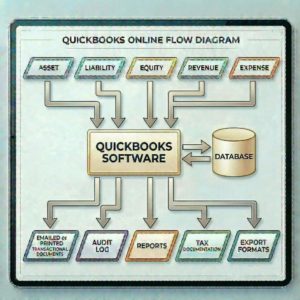
Income is where QuickBooks lets you get down to the nitty-gritty of your earnings. By tracking sales and any other revenue streams, it provides insights into how well the business is performing. Meanwhile, expenses in QuickBooks allow for precise tracking of where money’s going out, ensuring budgeting practices stay on point.
What’s cool about QuickBooks is how it integrates these account types into its user-friendly system, automating tough tasks and providing real-time data and reporting. It’s not just about recording data; it’s about making sure the information you need is just a click away when decisions need to be made. By leveraging these account types, businesses can keep their financial health in check and project smarter paths forward.
Steps to Creating a Chart of Accounts
Getting the hang of setting up a Chart of Accounts (COA) might seem daunting, but breaking it down into clear steps simplifies the whole process. The goal here? Building a list that captures every financial activity your business encounters, making tracking and reporting as smooth as possible.
Start with drafting a clear outline of all business activities. This helps in understanding which accounts are necessary. Think of it as sketching a blueprint before constructing a building. Once you’ve got the skeleton, start creating accounts based on the five categories: Assets, Liabilities, Equity, Revenue, and Expenses.
Naming accounts accurately is crucial. Names should be straightforward and specific enough to avoid any confusion about what each account covers. For numbers, you might want to group them logically. Assets might start with a 1, Liabilities with a 2, and so on. Keeping it simple and structured aids quick navigation and clarity.
Along the way, it’s important to customize your COA according to your business needs. Every business is unique, and your COA should reflect that uniqueness. Feel free to add subcategories but avoid going overboard. Stick to what’s crucial for capturing necessary financial details. Balance is key.
Regularly updating your COA ensures it reflects the current state of your business. It’s like pruning a tree, helping maintain its health and growth. Being diligent about adding, retiring, and modifying accounts based on changes in your business activities is vital for accuracy.
A pitfall to watch out for is making the COA too complicated. Complexity actually clouds clarity. Opt for simplicity, and only include accounts that are essential for providing vital insights into your financial performance. Remember, the COA should serve your business needs, not overwhelm them.
COA’s Role in Enhancing Financial Reporting
A well-organized Chart of Accounts (COA) can significantly elevate the quality and accuracy of your financial reporting. Think of it as the fundamental framework that holds up every financial statement and report you generate. With a clear COA, everything from balance sheets to income statements becomes more straightforward and more informative.
One major advantage of a well-crafted COA is the speed and efficiency it brings to financial analysis. By categorizing data accurately, you can easily spot trends, anomalies, and areas needing attention. It provides a bird’s-eye view of your financial status, making boardroom presentations and strategic planning that much smoother.
Moreover, precision in your COA means less room for error. When each business transaction slots perfectly into its account category, accuracy in reporting naturally follows. This precision and reliability in data are what fortify trust in financial reports, both internally among staff and externally with stakeholders.
Additionally, a detailed COA allows for more sophisticated financial analysis. With granular data classification, you can dive into specifics, drawing insights that guide operational and strategic decisions. Whether it’s recognizing shifts in income streams or identifying costly expenses, a detailed COA provides the launchpad for deeper analysis.

Real-world case studies often highlight businesses that miss out on growth and efficiency simply because their COA was lackluster. Investing time and effort into creating and maintaining a robust COA pays off by aligning stakeholders on the company’s actual financial position and helping map out the best path forward.
In leveraging a solid COA, financial reports not only reflect past performance but also inform future strategies. This transforms financial data into a strategic asset, steering organizational direction. Ultimately, understanding and utilizing a well-structured COA ensures that business leaders are equipped with the knowledge they need to make sound, informed decisions.
Importance of Regular COA Review and Maintenance
Keeping your Chart of Accounts (COA) up-to-date isn’t just useful; it’s essential for ensuring your financial reports remain accurate and reflective of the true state of your business. As your business evolves, so do its financial transactions. This evolution means your COA should get regular check-ups to remain relevant and efficient.
Why bother reviewing? Well, an outdated COA can lead to misclassified transactions, creating potential ripple effects that distort your financial realities. Regular reviews help you catch these misclassifications and tidy up any inconsistencies, ensuring your reports speak the truth about where your business stands.
Updating your COA isn’t a one-person task. Bring your accountants and financial team into the mix. Their input can be invaluable since they’re hands-on with your transactions, making them perfect allies in fine-tuning your COA. Aim to check your COA at least annually or during significant business shifts—adding new products, entering markets, or experiencing structural changes.
Using software tools can make this process a whole lot easier. Accounting software offers automated suggestions and alerts to help you keep track of your accounts. Don’t shy away from using these digital helpers; they save heaps of time and reduce the likelihood of human error creeping into your financial data.
So, which areas should get your attention in these reviews? Make sure the hierarchy still fits your business model, account numbers are logical, and descriptions are clear. Ensure nothing’s unnecessary, outdated, or duplicated. A streamlined COA not only makes your life easier but also impresses stakeholders with its accuracy and precision.
Regular maintenance of your COA is like trimming the sails of your financial ship, steering clear of unnecessary turbulence. By keeping it in top shape, you’re creating a robust foundation for sound financial decisions and demonstrating disciplined financial management that can only enhance your business’s credibility and growth potential.
Conclusion: The Strategic Value of a Well-Designed Chart of Accounts
Wrapping up this guide, it’s clear that a well-structured Chart of Accounts (COA) is a crucial asset for any business looking to harness the full potential of its financial data. It’s not just about keeping track of numbers; it’s about building a comprehensive tool that supports smart decision-making and promotes financial clarity.
For any business, the COA lays the groundwork for precise financial reporting, driving better decisions at every level of the organization. Through meticulous structuring and consistent updates, businesses ensure they don’t just keep up with the pace of change but stay a step ahead, ready to adapt and seize new opportunities as they arise.
Prioritizing the strategic design and upkeep of your COA reflects dedication to financial transparency and accountability. These qualities aren’t just nice to have they boost trust among stakeholders and help draw a clear line between healthy growth and financial uncertainty.
By embracing technology and engaging in regular COA reviews, companies lay the foundation for robust financial health and sustainability. It’s like having a strong spine that supports all other business functions, making sure nothing falls out of place.
As businesses grow and change, their COA should be a living document, evolving alongside organizational goals and market dynamics. Keeping it a priority ensures that companies can not only respond to change efficiently but also anticipate the future with a greater degree of certainty.
So, to every business leader and financial team out there—keep your COA sharp. It’s an unsung hero that, when managed well, can propel your organization toward sustained success and profitability.