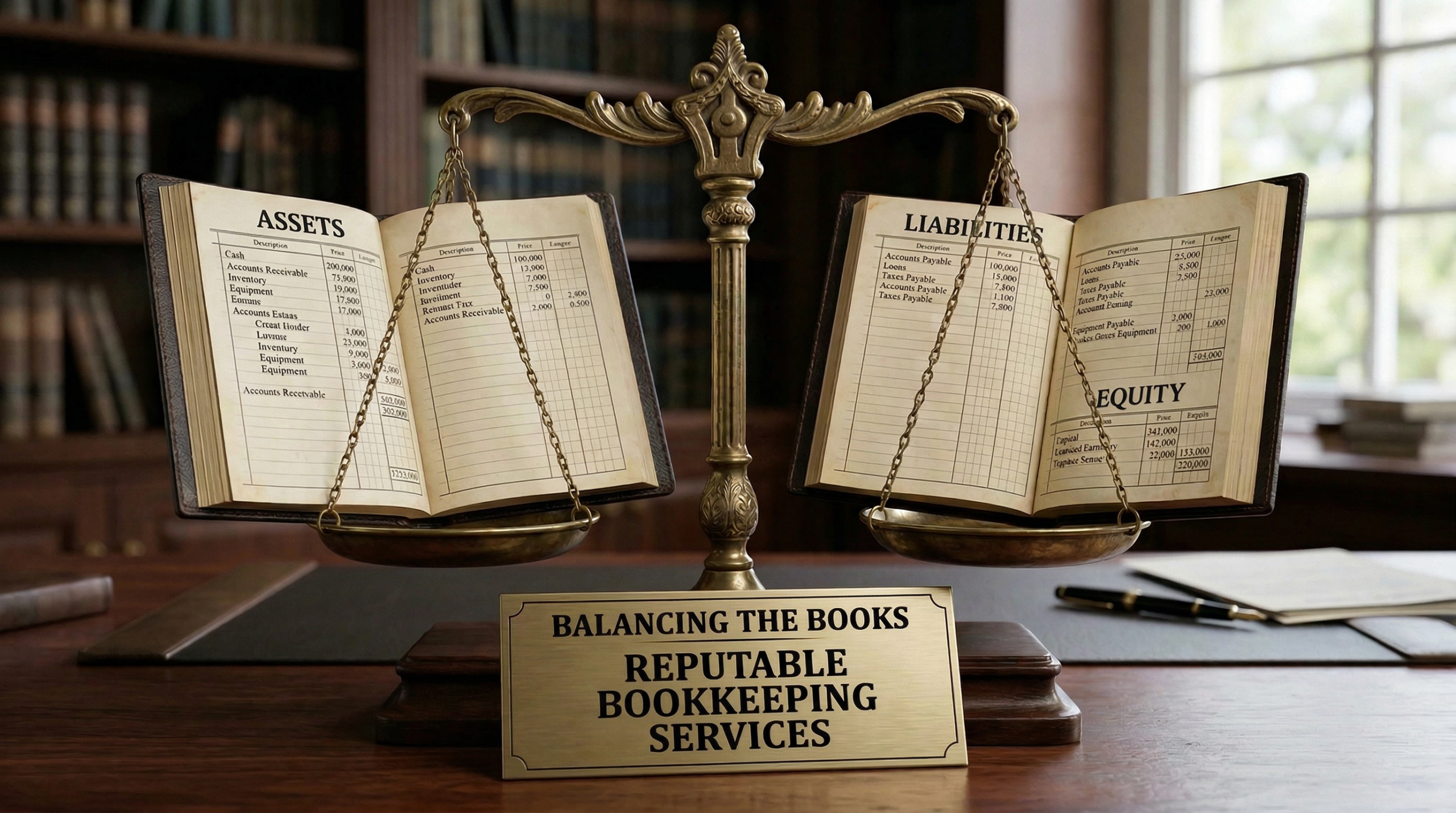
Every successful business needs a solid foundation, and setting up a reliable bookkeeping system is part of that framework. You’ve got to know where you stand financially, or it’s like trying to steer a ship with a broken compass. Bookkeeping helps keep track of money coming in and going out, ensures you’re prepared come tax season, and ultimately helps you make informed decisions.
Before diving into the bookkeeping process, it’s vital to gather all relevant financial information. You’ll want things like sales invoices, purchase receipts, bank statements, and any past financial records. These documents serve as your financial story—a story you control through accurate and diligent recording.
Knowing where you’re headed with your finances is essential. Establishing clear financial goals will help you focus your efforts and make the most out of your bookkeeping system. Are you aiming to boost profit, manage cash flow better, or maybe even expand your reach? Map out these goals before setting up your system.
Speaking of organization, arranging your documents carefully can make future bookkeeping tasks a breeze. It’s all about reducing chaos: label folders clearly, use cloud services for easy access, and ensure everything’s in a logical order. A little effort upfront saves a ton of time and hassle down the road.
Choosing the Right Bookkeeping Software: Tailored Solutions for Your Business Needs
Feel like you’re drowning in a sea of bookkeeping software options? It happens. The key to finding the right one begins with evaluating your specific business needs, like understanding the size of your business, the volume of transactions, and any industry-specific requirements. If you’re a solo entrepreneur, your needs might vastly differ from a growing small business.
 Some businesses may need robust features involving inventory management or payroll, while others might just require basic expense tracking. Knowing your must-haves versus nice-to-haves helps narrow down the choice and keeps you from getting overly wooed by shiny extras you might not need.
Research is crucial. Free softwares can be tempting, but they often lack the support and scalability needed as your business grows. Paid options usually come with additional features, support, and customization that can make your investment well worth it. Balance functionality and costs to find your fit.
Not sure what suits you? Look for real-life examples of businesses similar to yours and see what they’re using. Case studies can offer practical insights and help you make a decision based on actual user experiences rather than just the marketing speak you find online.
And hey, don’t just rely on basic searches. Engage with online forums, like Reddit or industry-specific groups on LinkedIn, where you can ask questions and read discussions about personal experiences with different software. That’s experience talking, which is just as valuable as expert advice.
Managing Your Bookkeeping: Independent vs. Professional Help
Taking charge of your own bookkeeping brings a unique set of pros and cons. Doing it yourself offers control and savings on professional fees, but it also demands a strong grasp of financial principles and time commitment. Not to mention, the risk of errors can creep up when juggling multiple roles.
If your business finances are too complex, it might be time to consider bringing in the pros. Professional bookkeepers can save you time, reduce errors, and often provide valuable financial insights you might overlook. It’s all about weighing the cost against the value they bring to the table.
Small business owners working with tight budgets might explore a hybrid approach. This involves handling straightforward tasks internally while outsourcing complex tasks to professionals. It offers a solid balance, allowing you to focus on growth rather than getting bogged down in numbers.
On those days when hiring someone seems impossible, know that there’s a range of affordable tools and software that can help manage your bookkeeping. Some even offer features like automated entries or tax-time reports that lighten your workload. It might take some trial and error, but finding the right balance is totally achievable.
The Bookkeeping Routine: Frequency, Review, and Optimization
Keeping your bookkeeping routine consistent is crucial for staying on top of your financial health. Some folks swear by daily updates, while others find weekly or even bi-weekly checks sufficient. It all depends on the scale and complexity of your business. Establish a schedule that fits both your pace and your business needs.
The regularity of bookkeeping reviews plays a huge role in ensuring everything is running smoothly. Monthly reviews work for many, offering a clear and current picture of business health, but quarterly reviews can be just as effective for less active businesses. What’s important is sticking to your schedule and not letting tasks pile up.
Analyzing your bookkeeping records is more than just a must-do chore—it’s a chance to optimize your business operations. Dive into reports to spot trends, identify areas where you can cut costs, or even opportunities for growth. Knowing what those numbers mean opens doors to smarter decisions.
 There’s a whole range of tools out there designed to make reviews simpler. Many bookkeeping software options feature analytics dashboards that help visualize data, while other tools can automate data entry or even sync data across platforms. These technologies are about giving you time back and improving accuracy.
Remember, bookkeeping can be a game-changer if done right. It provides the insights you need to drive your business forward, and keeping your process streamlined and consistent plays a big part in achieving that success.
Troubleshooting Mistakes: Learning and Growing from Bookkeeping Errors
Making mistakes in bookkeeping can feel disastrous, but it’s often part of the learning curve. Common errors include misplaced decimal points, forgetting to record small transactions, or simple data entry mishaps. Recognizing these mishaps and correcting them swiftly is vital to maintaining accuracy.
If a mistake does slip through, don’t panic. The first step is identifying the mistake as soon as possible. Once spotted, correct it and document what happened for future reference. This not only prevents recurrence but also helps you understand the process better.
Proactivity is your best tool against errors. Regular audits and reconciliations help catch inconsistencies before they spiral out of control. Consider developing a checklist for your bookkeeping routine to ensure no detail gets overlooked.
Continuous learning is a powerful weapon. New regulations and techniques crop up all the time, so taking time to educate yourself can enhance your skills. Explore online courses, attend workshops, or even join local networking groups for added insights.
Don’t hesitate to reach out for help if necessary. Mentors, financial advisors, or even online communities can offer guidance and support. Remember, every challenge is an opportunity to improve your bookkeeping prowess and contribute to your business success.