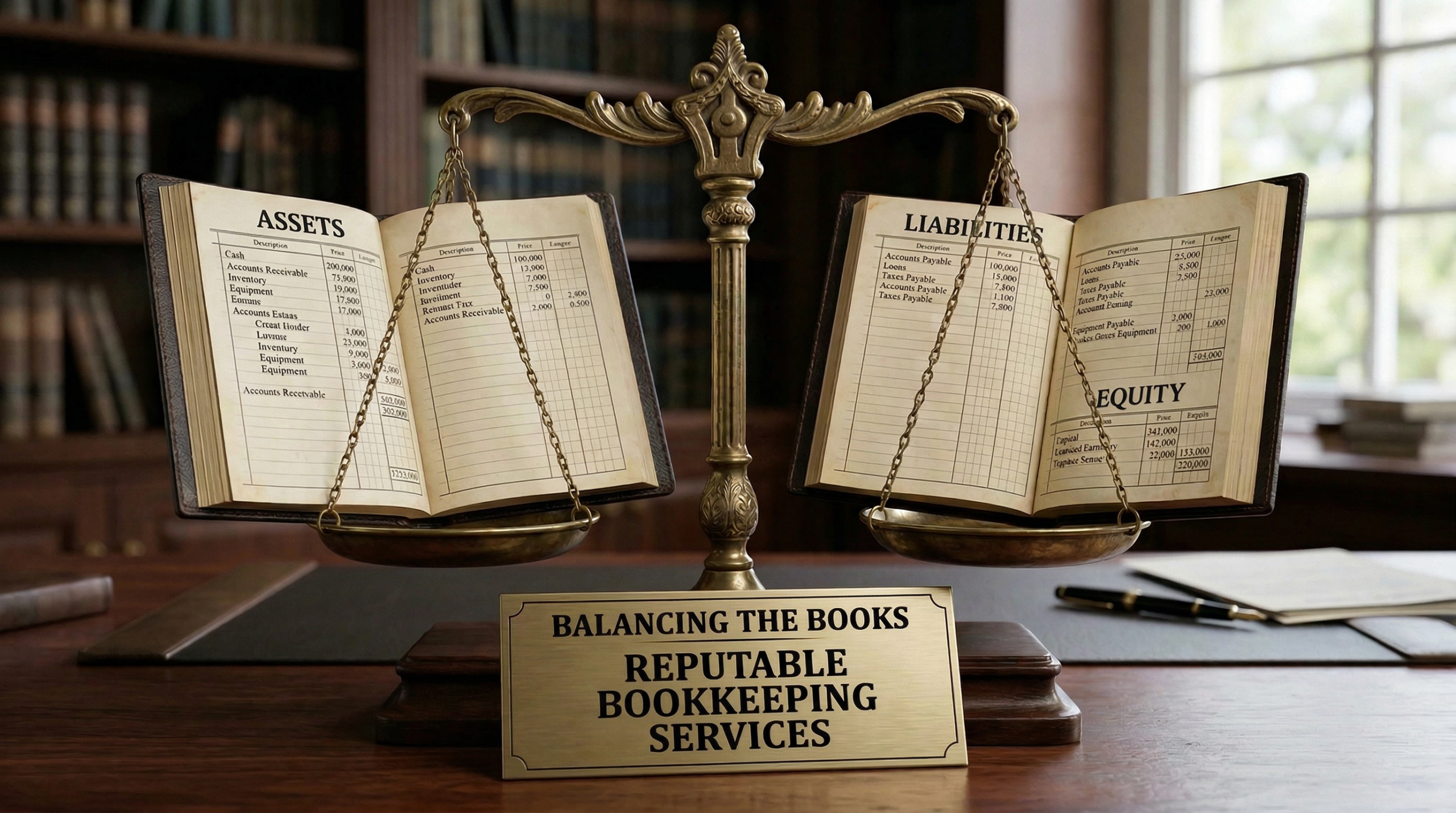
Figuring out what your business really needs from a bookkeeper is where it all starts. This isn’t just about wrangling some numbers. It’s about getting a grip on what bookkeeping tasks your business model demands.
Different businesses, different strokes. For retail, transactions fly fast and often; for consultants, the pace might be more chill but each job could be unique. Grasping the rhythm and volume of transactions is super important in deciding what sort of bookkeeping setup you need.
So, what’s on a bookkeeper’s to-do list? Recording every dollar in and out, managing payroll, and making sure taxes don’t trip you up are just the basics. Knowing these essentials helps you understand exactly what kind of bookkeeping help you need.
The Importance of Credentials and Certifications
Going for a bookkeeper without checking their credentials is like getting behind the wheel without a map. Certifications are the proof in the pudding when it comes to trust and professionalism.
Certified bookkeepers have gone through the training grind, proving they’re not just flying by the seat of their pants. From the American Institute of Professional Bookkeepers (AIPB) certification to the National Association of Certified Public Bookkeepers (NACPB), there’s a clear path showing their expertise.
Validating a bookkeeper’s certification isn’t tough. It’s crucial to not only ask about their qualifications but also cross-check these with the certifying body. After all, you’re trusting them with your business’s financial health. If they’re legit, they’ll probably be more than happy to show you what they’ve got.
Cost of Bookkeeping Services
The cost of bookkeeping isn’t a one-size-fits-all deal. It swings based on a bunch of factors like the complexity of your business, the experience level of the bookkeeper, and whether you’re after basic financial record-keeping or full-scale financial analysis.
Small businesses might see average monthly bookkeeping costs ranging anywhere from a couple of hundred bucks to a few thousand. It’s key to know what’s included in this price. Some bookkeepers might offer a package deal with a fixed monthly rate, while others might charge by the hour.
When weighing the cost, think about the value you’re getting in return. Sure, expense seems like a scary word, but well-managed books can save you from pricey mistakes down the road. A good bookkeeper can offer more than peace of mind; sometimes, they spot efficiency gains and opportunities to save on taxes too.
Navigating Bookkeeping Service Options: Local vs. Online
Deciding between hiring someone local or tapping into online services can feel like a tightrope walk. Each option has its own merits and demerits, so knowing what works best for your business goals is key.
With a local bookkeeper, you get face-to-face interaction, which might make communication clearer and more personal. If you’re the type that values personal relationships and personal oversight, a local option can give you exactly that. Plus, understanding local tax laws and market idiosyncrasies could be their special power.
On the flip side, online bookkeeping service opens up a world of flexibility and often, more competitive pricing. You can access your books anytime, anywhere, and not be bound by someone’s office hours. Digital security is beefy these days, so it’s worth considering if you’re willing to embrace technology for the potential cost savings and convenience benefits.
Crucial things to think about when picking between the two include how you prefer to communicate, the specific skills or knowledge your business might need, and, of course, cost. Both options have their own unique ways to fit into your operation, so lean in on what feels like the best cultural and operational fit for your business.
Finding and Choosing the Right Bookkeeper
Picking the best bookkeeper isn’t just ticking boxes. It’s about finding someone who clicks with your business style and needs. Start with a checklist of essentials: relevant experience, the scope of services they offer, and those all-important certifications.
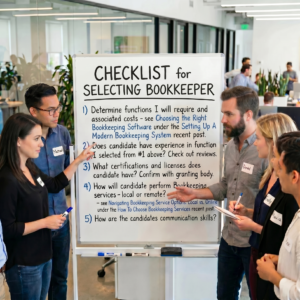 Don’t skip checking out reviews and testimonials. Real people, real stories – they can give you the lowdown on what working with a particular bookkeeper is like. Trustworthy reviews can reveal insights into their reliability, professionalism, and even their personality.
Once you’ve shortlisted some candidates, trust your instincts but back it up with facts by chatting with them. Ask questions, lots of them. Like how they’ve handled businesses similar to yours, what their approach to communication is, or how they plan to add value beyond just balancing your books.
The right choice is more than just numbers – it’s about someone who understands your business, aligns with your values, and can scale as your business grows. Whether local or online, the connection should feel right for you too. Choosing the right bookkeeper can set the stage for smoother financial sailing.