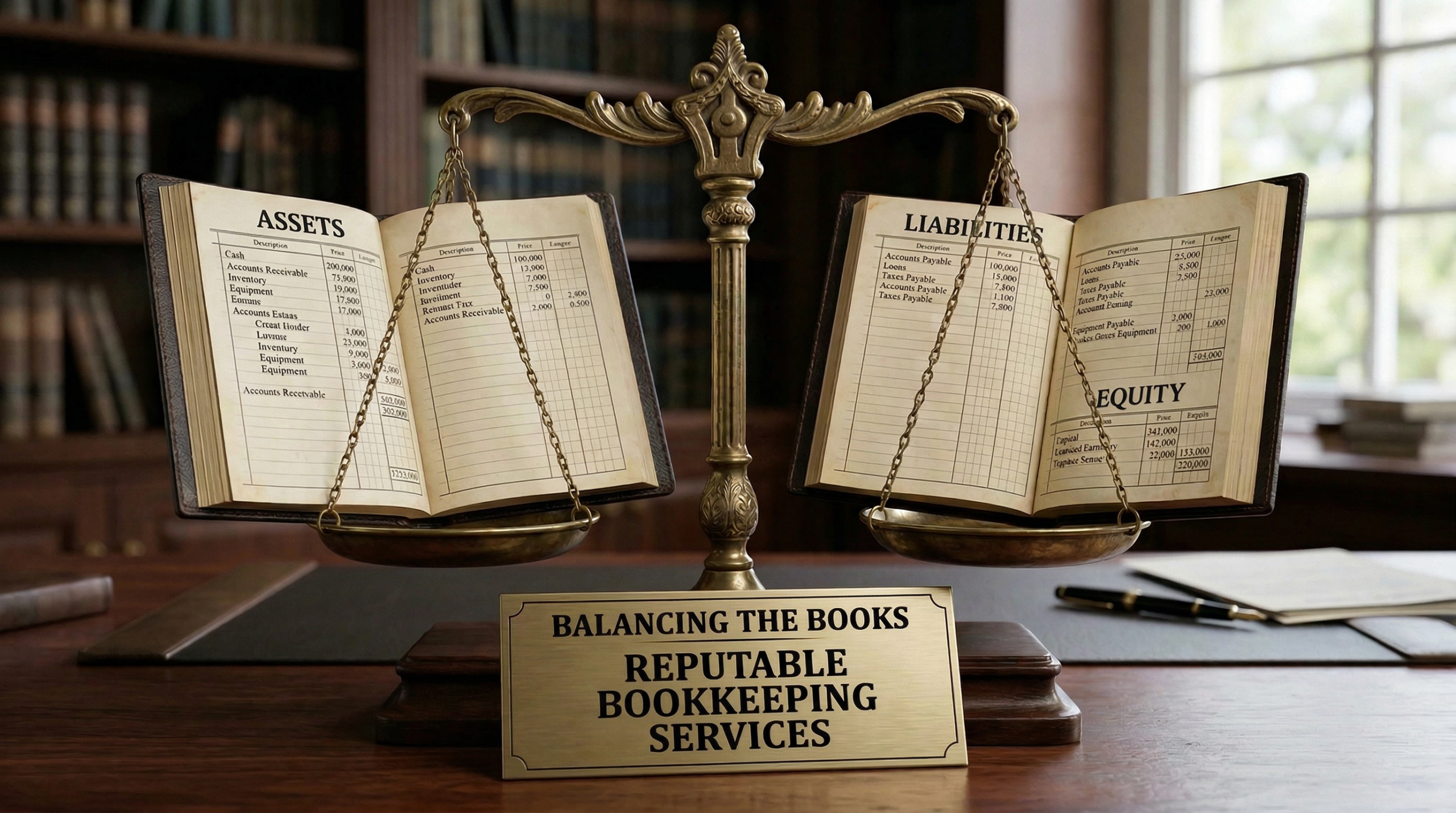
Bookkeeping has come a long way. Remember those old-school ledgers your parents might’ve used, filled with scribbled numbers and columns? We’ve traded those in for sleek digital platforms that do the heavy lifting for us. Digital bookkeeping has transformed how businesses track and manage finances, making operations more streamlined and efficient.
Now, imagine having all your accounting data not just tethered to a single computer or office but floating securely in the cloud, accessible whenever and wherever you need. That’s the magic of cloud-based bookkeeping. This tech revolution hasn’t just been about convenience; it’s been about smart business.
Catch this: Cloud technologies are making a splash across industries, and for good reason. More and more businesses, large and small, are jumping on the cloud bandwagon. The benefits are too tempting—think cost savings, real-time financial data at your fingertips, and enhanced collaboration among teams. It’s a game-changer.
Getting to grips with cloud bookkeeping is essential, whether you’re a startup entrepreneur or running an established company. Embracing this shift can mean the difference between staying afloat or lagging behind your competitors. It’s the future of financial management, and being informed helps make those crucial decisions for your business.
Enhancing Efficiency and Productivity with the Cloud
Cloud-based bookkeeping isn’t just a trend—it’s a smart approach to getting more done with less hassle. With automation taking care of those pesky repetitive tasks, like data entry, you get more time to focus on what really matters: growing your business.
Imagine having a virtual office space where everyone’s on the same page, literally. A cloud system means your financial team can access all essential data from wherever they are. It means instant updates and continuous collaboration without endless email threads.
Speaking of real-time updates, they’re a game-changer. You get up-to-the-minute insights into your finances, allowing you to make informed decisions faster than ever before. It’s like having a crystal ball for your business’s financial health.
Let’s not forget the human aspect—fewer errors! With streamlined digital processes, the likelihood of mistakes that come from manual entry reduces significantly. Enhanced accuracy leads to better data integrity, crucial for maintaining trust and making sound choices.
In today’s fast-paced world, these advantages aren’t just perks; they’re necessities for staying competitive and nimble in any industry.
Data Security and Privacy: A Crucial Consideration
When it comes to handling your business’s financials, data security is a top priority. Cloud-based bookkeeping platforms are designed with security at their core, keeping your sensitive info safe from prying eyes.
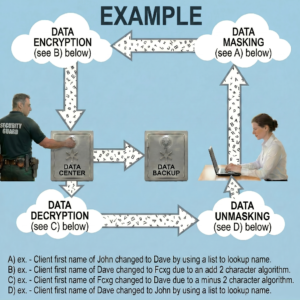
It’s natural to wonder how storing your data out in the digital ether stacks up against traditional, on-premises solutions. Spoiler: the cloud often comes out on top. Robust security protocols and encryption methods ensure that your financial records are seen only by those with the right access.
Cloud companies are like your data’s personal bodyguards, monitoring their systems 24/7 to preempt any security threats. They invest heavily in their infrastructure to ensure your data’s protected, which might be more comprehensive than what individual companies could manage on their own.
Another layer to consider is compliance. Cloud providers are well-versed in the standards and regulations that govern data privacy and protection. Their systems are designed to help keep your business compliant with the current legal landscape, no hassle required.
In the end, using a cloud platform is like having a state-of-the-art digital vault for your bookkeeping records, giving you peace of mind and more time to focus on making your business thrive.
Cost-Effectiveness: A Strategic Business Move
Running a business comes with its fair share of expenses, so finding ways to cut costs without sacrificing quality is a big win. Cloud-based bookkeeping helps make this happen. Let’s break it down. Traditional bookkeeping often means investing in pricey hardware, software licenses, and, let’s not forget, the cost of updating them. Switching to the cloud can seriously cut down on these upfront costs.
Cloud services usually operate on pay-as-you-go models, meaning you only pay for what you use. You’re not stuck with large one-time payments or unexpected repair bills, just a predictable monthly expense that’s easy on the budget. This flexibility makes it easier for growing businesses to scale up or down without financial headaches.
With cloud computing, you’re not just saving on tech costs, but potentially on staff hours, too. Automating complex tasks reduces the need for extra manpower. More efficient operations can mean fewer overtime hours, translating into savings either through reduced labor costs or more readily available resources for new opportunities.
Ever wonder if these savings are all theory? Real-world examples abound. Many businesses have seen tangible reductions in their operational expenses post-cloud adoption. It’s a strategic move that delivers value, allowing you to reallocate funds towards innovation and growth.
When you’re focused on expanding your enterprise, every dollar counts. Cloud solutions offer the kind of scalable, efficient service that keeps your budget in check while freeing up resources for strategic investments, ultimately driving your business forward.
Future-proofing Your Business with Cloud Technology
Staying ahead in business often means being ready to roll with the changes. Cloud technology plays a key role in helping businesses keep pace with shifting market demands and technological advancements.
With the cloud, you’re not just set for today—you’re prepared for tomorrow’s challenges, too. The flexibility these platforms offer means you’re never stuck with outdated systems. Regular updates ensure you have the latest tools and features to tackle any business need.
Cloud tools open up a world of innovative financial solutions. They give you access to analytics and insights that power smart decision-making. Many platforms offer forecasting solutions that help anticipate future business needs, turning data into strategic foresight.
Adopting cloud bookkeeping doesn’t have to be daunting. There’s a wealth of training resources available to help you and your team make the transition smoothly. Whether it’s online courses or support from cloud providers, getting trained up is easier than ever.
Building resilience in your business is all about being prepared for the unexpected. With cloud-based systems in place, you can handle disruptions with more agility and less stress. Having everything secured and accessible virtually means your business can keep running, come what may.