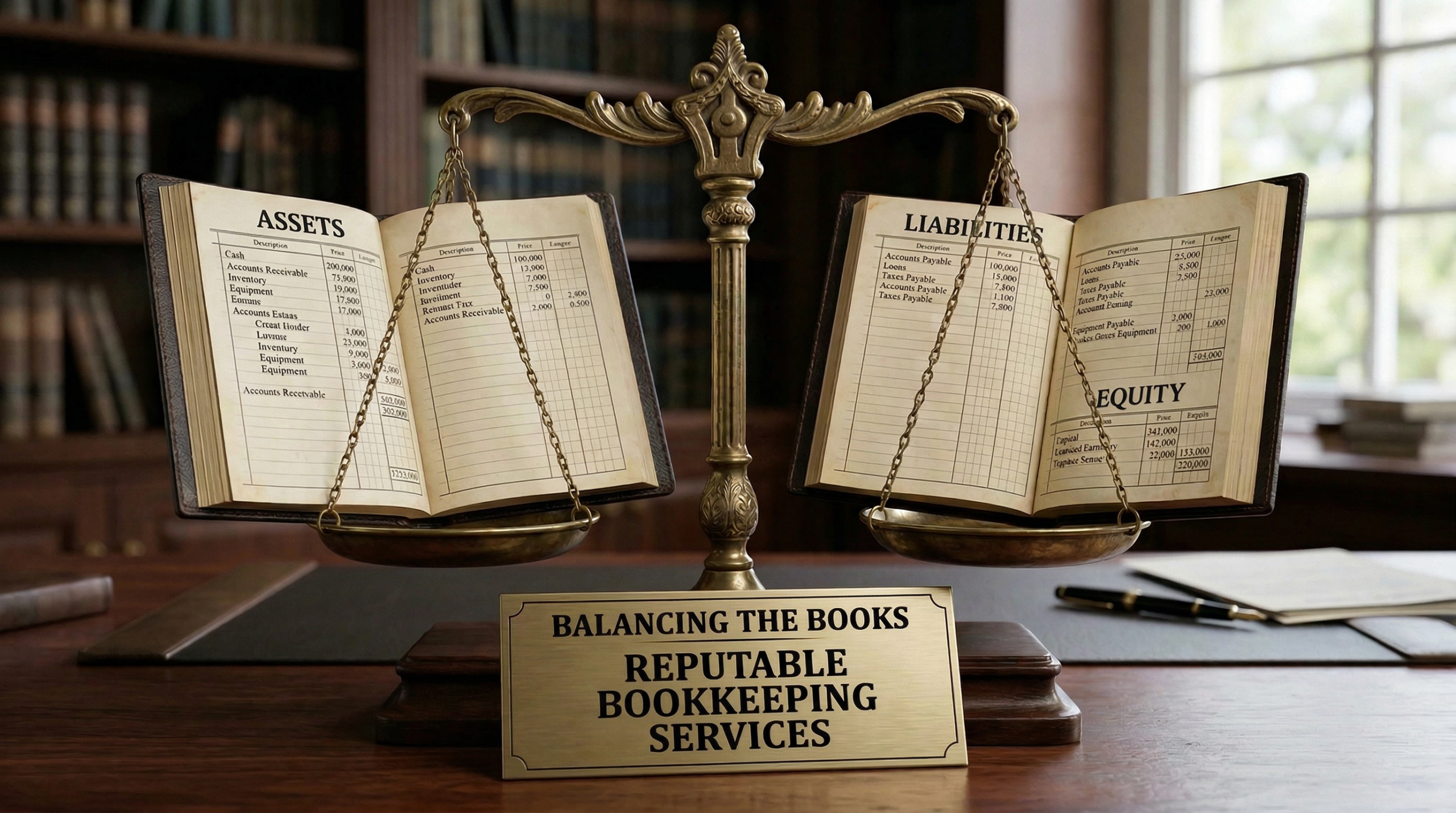
Bookkeeping might sound a bit daunting at first, but it’s really just about keeping track of a business’s financial ins and outs. It’s like being the lifeline of your small business. Think of it as the foundation of your business’s financial house.
Now, you might be wondering how bookkeeping is different from accounting. Bookkeeping is all about recording your daily transactions accurately—something like logging all the money coming in and going out. Accounting jumps in to analyze those records and draws up financial statements. You need both for a healthy financial ecosystem, but bookkeeping is where it all starts.
But why should you care about bookkeeping in the first place? Well, accurate bookkeeping is crucial because it helps track business performance, prepare for tax season without breaking into a sweat, and supports strategic planning. Basically, it helps any small business avoid the headache of financial guessing games.
The following eight topics will be discussed in more detail in subsequent posts.
Setting Up a Modern Bookkeeping System
Choosing the right bookkeeping system for your business can feel like picking the perfect outfit for an important occasion. You’ve got options—do you stick with traditional methods, or do you dive into the world of digital solutions? For 2026, digital is the way to go. It’s like upgrading from paper maps to a GPS. Much more efficient and user-friendly.
 When setting up a bookkeeping system, it’s essential to have the right tools. We’re talking accounting software that smoothly links up with your existing business processes. QuickBooks, Xero, or even some new up-and-comers in the digital space are worth checking out. They’ll help you keep everything in one tidy place.
Getting your bookkeeping integrated with other parts of your business isn’t just smart—it’s necessary. Think of it as creating a seamless workflow where everything speaks the same language. This integration cuts down on errors and saves heaps of time. Trust me, having your sales, payments, and expenses all in sync makes life so much easier.
Chart of Accounts and Financial Statements
The chart of accounts is like your business’s financial blueprint. It organizes all your financial information into neat categories, making it easier to see where your money’s coming and going. You’ve got assets, liabilities, income, expenses—all lined up neatly for easy access.
When you hear ‘financial statements’, think of them as a report card for your business’s money matters. There are a few types you should keep on your radar. The balance sheet gives a snapshot of your business’s financial standing at any given moment. The income statement, or profit and loss statement, tells you how much you’ve made and spent over a period, showing your net profit or loss. Then there’s the cash flow statement, which tracks the cash moving in and out.
So why do these statements matter? Well, they’re essential for making informed decisions. Whether it’s planning for future growth, seeking funding, or even just keeping the tax folks happy. Understanding these financial snapshots helps you steer your business in the right direction, avoiding any unexpected financial speed bumps.
Accurately Recording Financial Transactions
Keeping track of your daily money moves is the heart of bookkeeping. Every business transaction, whether money in or out, needs to be recorded accurately. This isn’t just about being a neat freak—it’s essential for knowing exactly where your business stands financially every day.
Ever wondered what debits and credits are in the world of bookkeeping? They’re the backbone of what’s known as double-entry accounting. When you record a transaction, it affects at least two accounts—one increases while the other decreases. This method keeps everything balanced and helps prevent errors.
Developing a habit of recording transactions daily is a true game-changer. I can’t stress enough how much easier life gets when you don’t let receipts and invoices pile up. Use a simple ledger or digital tool to jot them down as they happen. This practice not only saves time but also ensures you’re not scrambling at the end of the month—or worse, the end of the year.
Tips for Managing Cash Flow Effectively
Cash flow is the heartbeat of any business. You can have a thriving business on paper, but if your cash flow’s a mess, you’re heading for a world of frustration. Essentially, it’s all about having enough cash available to cover your day-to-day operations without running into trouble.

Analyzing your cash flow isn’t just for the numbers people. It’s about understanding where your money’s stuck and where it’s free-flowing. Are your customers slow to pay, or is your inventory hogging all your cash? Figuring this out is key to making smarter financial moves.
There are plenty of strategies to keep things running smoothly. Setting up a cash reserve for lean months, speeding up invoicing, and cutting unnecessary costs can make a huge difference. Plus, using tools that forecast your cash flow can give you a heads-up if things look tight down the line. Staying proactive about managing cash flow means fewer surprises and more control over your business’s future.
Why use Cloud-based Bookkeeping
The world of bookkeeping is evolving, and technology is leading the charge. Embracing digital tools isn’t just an upgrade; it’s a necessity for keeping up with the fast-paced business world of 2026. From automation to cloud storage, technology simplifies bookkeeping like never before.
Emerging trends in bookkeeping technology are reshaping how we manage finances. Cloud-based software lets you access your books from anywhere, providing flexibility and peace of mind if you’re out of the office. No more worrying about the safety of physical records either. Everything is backed up and secure.
Artificial Intelligence (AI) and machine learning are more than just buzzwords now. These technologies help in identifying patterns and predicting financial trends, freeing up time from mundane tasks like categorizing transactions. It’s like having a digital assistant keeping an eye on your books around the clock.
The advantages of technology in bookkeeping are too big to ignore. Automation reduces errors and speeds up repetitive tasks, allowing you and your team to focus on what really matters—growing your business. It’s not just about making things easier today but also about preparing your business for tomorrow.
How Payroll Software Simplifies Tax Processes
Handling payroll accurately is super important. Payroll software takes the fuss out of it, ensuring everyone gets paid timely and your business stays compliant with all the rules. Whether it’s calculating deductions or filing reports, there are plenty of options that automate these tasks, leaving less room for human error.

Tax season doesn’t have to be blood, sweat and tears. Being organized throughout the year saves heaps of stress when the time comes. Start by keeping track of your taxes as part of regular bookkeeping practices. This way, taxes turn into just another task rather than a dreaded end-of-year scramble.
Make sure you’re recording deductions and tax credits correctly. This means reviewing expenses regularly to see what’s deductible. Being proactive about this ensures you’re not leaving money on the table when tax season rolls around. The right approach to taxes ensures you’re compliant and potentially saving money in ways you didn’t realize were possible.
Overcoming Bookkeeping Difficulties
Running into bookkeeping challenges? You’re definitely not alone. Common issues like data entry errors, cash flow hurdles, or even keeping up with tax compliance can pop up at the most inconvenient times. But don’t worry—these challenges aren’t insurmountable.
Let’s start with data privacy and security, a growing concern as more businesses shift online. It’s crucial to protect your business data from breaches or losses. Invest in secure bookkeeping software that encrypts data and offers regular backups. Knowing your information is safe gives you one less thing to stress about.
Another smart move is creating a contingency plan for your bookkeeping. This means having a backup in place for sudden incidents like your system crashing or even going without power. By being prepared with manual ledgers or having a simple checklist of what’s important, you’re safeguarding your business from unexpected hiccups.
Lastly, don’t shy away from seeking help. Whether it’s hiring a temporary bookkeeper during busy seasons or tapping into online resources and communities for tips, having support makes tackling these challenges a whole lot easier. Staying proactive keeps your bookkeeping smooth, freeing you to focus on steering your business toward success.
How to Choose Bookkeeping Services
Choosing whether to keep your bookkeeping in-house or to outsource it is a big decision for any small business owner. In-house bookkeeping means having someone within your team who understands the ins and outs of your business. It offers more direct control over the details of your finances.
Outsourcing, on the other hand, can save time and money. Professional bookkeepers bring expertise and can provide a new perspective on your finances. It’s also a great option if your business’s bookkeeping needs fluctuate throughout the year, allowing for flexibility.
 When considering a switch from in-house to outsourcing—or vice versa—evaluate the specific needs of your business. Whether you choose in-house or outsourced bookkeeping, ensuring you have the right skill set is key.
If you lean towards outsourcing, take your time to find a bookkeeping service that aligns with your business values and requirements. Look into their track record, and don’t be afraid to ask for references. A good fit can make a world of difference in keeping your books balanced and your business running smoothly.
Excellent job!! Where do I sign up!! I’m tired of doing my business book keeping, it takes up to much of my time and is aggravating.. my time would be better spent on running my business!!
Thank you for your interest in Reputable Bookkeeping Services. My contact info is:
(856) 500-BKPG (2574) or Jeff@rep-bkpg-svcs.com
I’m looking forward to hearing from The Joseph.